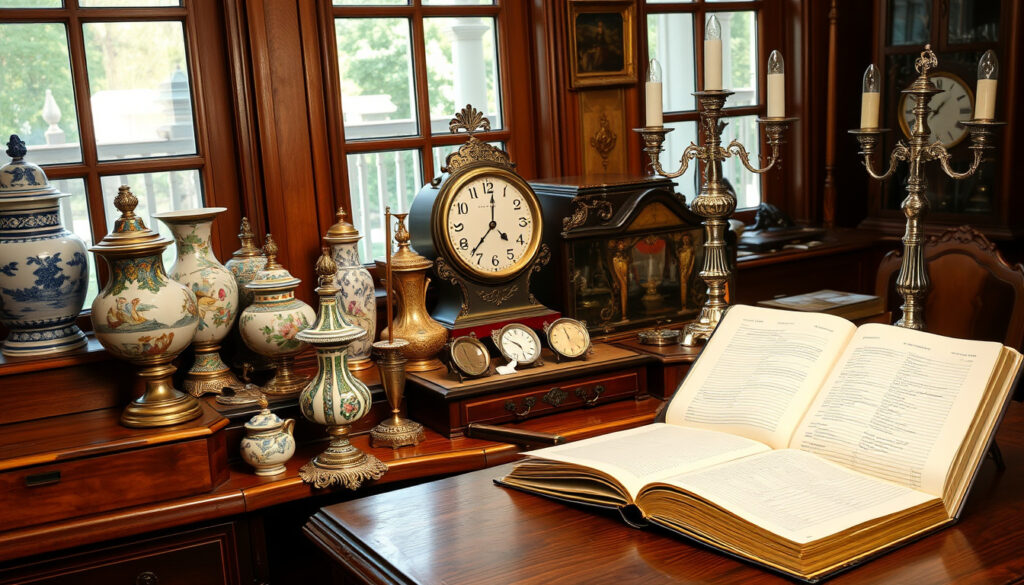
How Much Is It Worth – Expert Guide to Antique Valuation
Determining what an item is worth involves more than a quick glance or a single opinion. Whether you have inherited a piece, discovered something at an estate sale, or are simply curious about a treasure in your home, understanding valuation requires knowledge of several interconnected factors. This guide walks through the primary elements that professionals examine when assessing worth, the methods they use, and how market forces shape final outcomes.
The Five Pillars of Antique and Collectible Valuation
Experts agree that no single factor determines value in isolation. Instead, condition, rarity, provenance, market demand, and authenticity work together to establish what an item might fetch in today’s marketplace. Understanding these elements individually helps build a complete picture before pursuing professional assessment.
Condition
The state of preservation directly impacts pricing. Pristine items command premium rates while damage can reduce value by 90% or more. Professionals examine original finishes, look for chips or cracks, assess wear patterns consistent with age, and evaluate whether repairs were performed by experts or amateurs.
Rarity
Items produced in limited quantities typically hold higher value than mass-produced alternatives. However, rarity alone is insufficient—an established market with willing buyers and sellers must exist. An object that is unique worldwide may actually have limited value if no comparable market exists.
Provenance
The documented ownership history has emerged as one of the most powerful value drivers. Well-documented provenance can achieve a 7x value multiplier, with average values reaching $314,765 compared to $44,655 for undocumented items. Celebrity or royal ownership can add 20–100% to final prices.
Market Demand
Popularity directly affects pricing. Items that gain cultural prominence through films, books, or television can see significant value increases, while declining interest reduces worth. The overall antiques market is growing, projected to reach $402.9–$535.50 billion by 2033–2034.
Key Insights on Valuation Methods
- Condition differences in collectibles like coins and stamps can mean hundreds of thousands of dollars due to formalized grading systems
- Comparative market analysis reflects real market conditions and current pricing trends rather than historical values
- Professional appraisers evaluate all factors systematically, starting with comparable sales averages before adjusting for condition and special features
- Experts assess whether items qualify as investment-grade based on combined condition and provenance scores
- Provenance premiums at auction average 71.5–71.8% increases over baseline values
- Authentication protects against counterfeits and establishes credibility in all transactions
| Aspect | Details | Source |
|---|---|---|
| Provenance Value Multiplier | 7x compared to undocumented items | Resources Antiquesmart |
| Average Value (Documented) | $314,765 | Resources Antiquesmart |
| Average Value (Undocumented) | $44,655 | Resources Antiquesmart |
| Auction Premium from Provenance | 71.5–71.8% | Resources Antiquesmart |
| Celebrity/Royal Ownership Boost | 20–100% | Resources Antiquesmart |
| Damage Reduction Potential | 90%+ value loss | Curio App |
| Market Projection (2033–2034) | $402.9–$535.50 billion | Resources Antiquesmart |
| Art & Antiques Market Share | 33.32% | Resources Antiquesmart |
| Vintage Collectibles Share | 40.33% | Resources Antiquesmart |
Understanding Condition Assessment
When professionals evaluate condition, they start by examining original finishes wherever possible. Altered or refinished pieces typically command lower prices than those retaining their original surfaces. The presence of chips, cracks, or repairs requires careful scrutiny—what appears minor to an untrained eye might significantly impact value.
Wear consistent with age is expected and often acceptable, but distinguishing natural aging from damage or abuse matters greatly. Experts also distinguish between professional repairs and amateur work. A museum-quality restoration might preserve value while amateur attempts could diminish it substantially. For items like coins and stamps with established grading systems, even slight condition differences can represent hundreds of thousands of dollars in value.
Elements Evaluated During Condition Assessment
- Original versus replaced components
- Presence and severity of chips, cracks, or dents
- Patina and surface wear patterns
- Quality of any repairs or restorations
- Structural integrity and stability
Collectibles with formalized grading systems—such as coins, stamps, trading cards, and comic books—can see extreme value swings based on subtle condition differences. Professional grading services evaluate items on standardized scales, and certified grades directly influence market pricing across auction houses and dealer networks.
How Provenance Drives Value
Provenance refers to the documented chain of ownership from creation to present day. This history serves multiple functions: it verifies authenticity, establishes legitimacy, and often reveals interesting stories that enhance an item’s appeal. According to research published by Resources Antiquesmart, well-documented provenance can multiply value by seven compared to undocumented equivalents.
Auction houses frequently report that provenance accounts for significant premium increases during sales. Items with clear ownership documentation average 71.5–71.8% higher hammer prices. Perhaps most dramatically, items once owned by celebrities or royalty command 20–100% premiums depending on the fame involved and the item’s connection to that ownership period.
Building provenance documentation involves gathering receipts, exhibition catalogs, photographs, appraisals, and correspondence. Family history and documented inheritance stories carry weight when accompanied by supporting evidence. Professional researchers specialize in tracing ownership chains for valuable pieces, and their services often prove worthwhile for significant acquisitions. For those exploring how to value antiques and collectibles, understanding provenance documentation is a critical first step toward accurate assessment.
Types of Provenance Documentation
- Original purchase receipts and invoices
- Auction catalog entries and price results
- Exhibition records and museum documentation
- Published references in books or periodicals
- Photographs showing the item over time
- Correspondence with artists, makers, or previous owners
Different collectible categories weight provenance differently. The Art & Antiques sector—representing 33.32% of the overall market—places heavy emphasis on artist attribution and exhibition history. Vintage collectibles (40.33% of the market) rely more heavily on cultural relevance and nostalgia, while trading cards depend on grading, rarity, and documented ownership provenance.
Researching Comparable Sales
Comparative market analysis remains the most accessible valuation method for general use. This approach involves researching similar items that have recently sold or currently appear for sale across auction results, online marketplaces, and antique shops. The goal is identifying what similar items have actually sold for rather than what sellers are asking.
Online auction archives, dealer databases, and price guide publications all serve this research function. When examining comparables, pay attention to condition descriptions, any noted flaws, and whether items sold at auction or through fixed-price listings. Auction results typically reflect true market value more accurately than retail asking prices.
For those needing precise valuations—such as for insurance, estate settlement, or significant purchase decisions—professional appraisal services offer comprehensive evaluation. Professional appraisers evaluate all factors systematically, starting with comparable sales averages, then adjusting for condition and accounting for special features or flaws that might increase or decrease value from baseline comparisons.
Exchange rate considerations also matter when researching international sales. If you are comparing prices across currencies, resources like the 205 USD to CAD converter help establish accurate baseline comparisons before evaluating other factors.
The Role of Market Demand and Trends
Market demand represents perhaps the most volatile factor in valuation, as popularity can shift dramatically based on cultural currents. Items featured prominently in successful films, television programs, or bestselling books often experience sudden value increases as collector interest spikes. Conversely, categories that once commanded strong prices can decline as tastes change and generational shifts occur.
Staying attuned to current market conditions requires ongoing observation of auction results, dealer inventory changes, and collector community discussions. Major auction houses publish annual reports and market analyses that track category performance over time. These resources offer valuable perspective on which segments are growing and which are contracting.
The overall antiques and collectibles market demonstrates consistent growth, with projections suggesting expansion to $402.9–$535.50 billion by 2033–2034. This growth suggests continued opportunities for both buyers and sellers, though individual category performance will vary. Niche markets that serve specialized collecting interests may outperform broader categories during any given period.
Cultural popularity drives significant value fluctuations in the antiques market. An item that commands premium prices today may decline in value if interest wanes. Always consider current demand conditions alongside inherent characteristics like rarity and condition when estimating value.
Getting Professional Authentication
Authenticity verification protects both buyers and sellers in the antiques marketplace. Counterfeit and reproduction items appear throughout the trade, and distinguishing genuine pieces from clever fakes requires expertise that most collectors lack. Professional authentication services exist for most major collecting categories, offering examination by recognized experts and documentation of findings.
Authentication processes vary by category but typically include physical examination, research into manufacturing methods and materials, comparison with known examples, and review of any documentation provided with the item. Authentication certificates carry weight in the marketplace and facilitate clear transactions between parties who may not share expertise.
Maker attribution—the identification of who created or produced an item—often influences value substantially. Signed works by recognized makers typically command premiums over unsigned or attributed examples, and attributions to major names can multiply values significantly. Conversely, reattribution away from prestigious names can reduce expected returns.
Balancing All Factors for Accurate Assessment
No single element determines ultimate value in isolation. A rare object in poor condition may be worth less than a more common example in exceptional condition. Provenance documentation can transform a modest item into a significant find, while authentic objects without established markets struggle to find buyers regardless of intrinsic quality.
Successful valuation requires balancing all relevant factors while remaining attentive to current market conditions and collector preferences. Items that serve active collecting communities with engaged buyers tend to command stronger prices than those appealing to shrinking demographics. Understanding who collects what—and why—provides context for evaluating any individual piece.
For practical applications like weight conversions that might be needed when evaluating certain collectibles, resources like the Lbs to Kg Conversion tool offer quick reference for common measurement needs that arise during research and comparison.
Factors That Are Well Established Versus Areas of Uncertainty
When assessing value, distinguishing confirmed information from estimates helps set realistic expectations. The following table clarifies what experts generally agree upon versus aspects that remain less certain.
| Established Information | Information That Remains Unclear |
|---|---|
| Condition directly impacts value proportionally | How future cultural shifts will affect specific categories |
| Provenance multiplies value when well-documented | Long-term market projections beyond 5–10 years |
| Comparable sales provide baseline valuation | Whether specific attributions will change over time |
| Graded collectibles follow standardized pricing | Impact of emerging technologies on authentication |
| Auction results reflect actual market activity | True extent of market manipulation in niche categories |
Market Context and Comparables
Understanding where an item fits within its category helps contextualize valuation efforts. The antiques and collectibles market divides into distinct segments, each with its own dynamics. Art and antiques appeal to buyers seeking aesthetic and historical significance. Vintage collectibles draw interest from nostalgia-driven purchasers and cultural observers. Trading cards and similar categories attract investors focused on grading and rarity scores.
Different segments weight valuation factors differently. Art markets prioritize provenance and attribution above all else. Vintage collectibles respond more to cultural relevance and condition. Trading cards rely heavily on grading certification and documented ownership history. Recognizing which segment applies to your item guides research priorities and helps identify appropriate comparables.
Expert Perspectives on Valuation
“Antique value is determined by a dynamic combination of factors rather than a single element, with condition, rarity, provenance, demand, and authenticity serving as the primary determinants. Understanding how these factors interact is essential for accurate valuation.”
“Rarity alone is insufficient—an item must also have an established market with willing buyers and sellers. Independent rarity, such as being the only example in the world, can actually limit value if no identifiable market exists for comparable items.”
“Items with well-documented provenance can achieve a 7x value multiplier, with average values reaching $314,765 compared to $44,655 for undocumented items. Provenance premiums also include 71.5–71.8% auction increases, with celebrity or royal ownership adding 20–100% to values.”
Summary: Key Principles for Determining Value
Valuing antiques and collectibles requires examining multiple interconnected factors rather than focusing on any single element. Condition, rarity, provenance, market demand, and authenticity all contribute to final valuations, and the relative importance of each varies by category and item type. Research comparable sales to establish baselines, document provenance thoroughly, and verify authenticity before concluding values. When uncertainty exists, professional appraisers offer comprehensive evaluation services that consider all relevant factors systematically. Understanding these principles helps both buyers and sellers navigate the antiques market with greater confidence.
Frequently Asked Questions
What is the most important factor in determining antique value?
No single factor dominates—value results from the interaction of condition, rarity, provenance, market demand, and authenticity. Condition often has significant impact, but a rare item in poor condition may be worth less than a more common example in excellent condition.
How much can damage reduce an antique’s value?
Damage can reduce value by 90% or more depending on severity and item type. For collectibles with grading systems like coins or stamps, even slight condition differences can mean hundreds of thousands of dollars.
Does provenance really multiply value that significantly?
Research indicates well-documented provenance can achieve a 7x value multiplier, with documented items averaging $314,765 compared to $44,655 for undocumented equivalents. Celebrity or royal ownership adds 20–100% to values.
Should I get a professional appraisal for my items?
Professional appraisals are recommended for significant items, insurance valuations, estate settlements, or major purchase decisions. Appraisers evaluate all factors systematically starting with comparable sales averages before adjusting for condition and special features.
How do I research comparable items that have sold?
Research comparable sales through auction archives, online marketplaces, dealer databases, and price guide publications. Focus on items with similar condition, provenance, and category characteristics. Auction results typically reflect true market value more accurately than retail asking prices.
Can rarity alone determine an item’s worth?
Rarity alone is insufficient—an established market with willing buyers and sellers must exist. Being the only example in the world can actually limit value if no identifiable market exists for comparable items.
How does market demand affect antique pricing?
Popularity directly affects pricing. Items featured in successful media often experience sudden value increases when collector interest spikes, while declining interest reduces worth. The overall antiques market is growing, projected to reach $402.9–$535.50 billion by 2033–2034.
What documentation counts as provenance?
Provenance includes original purchase receipts, auction catalog entries, exhibition records, published references, photographs showing the item over time, and correspondence with artists or previous owners. Family documentation and inheritance records carry weight when supported by evidence.
More related posts
 Rajvir Jawanda: Death, Accident, Wife, Children & Police Career
 Goya’s Saturn Devouring His Son: Meaning & Symbolism
 What Is a Serif Font? Definition, Examples, and Uses
 M*A*S*H Actors: Who’s Alive, Dead & Every Episode Actor
 Tulsi Gabbard: Biography, Military Service, Controversies
 Browns Funeral Home Kenora: Cremation, Obituaries & Costs
 Brian Austin Green: Biography, Kids, and Current Partner
 The Chosen Season 4: Watch, Plot, Cast & Controversy (2024)