Tokyo Skytree: Height, Cost, and Is It Worth Visiting
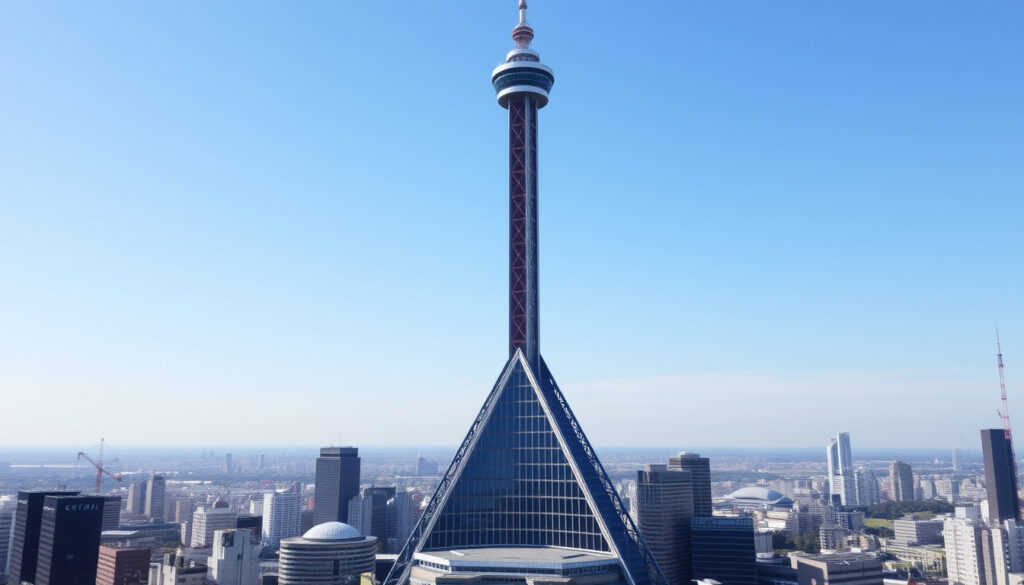
From pretty much anywhere in eastern Tokyo the Skytree is the thing your eyes land on — a white lattice needle that looks designed more for drama than broadcasting, but at 634 meters it’s Japan’s tallest tower with a view that sweeps across the entire Kanto Plain. This guide helps you decide whether the ticket price fits your itinerary and what else you might see while you are up there.
Height: 634 meters (2,080 ft) ·
Observation deck: Tembo Deck at 350 meters ·
Opened: 22 May 2012 ·
Tallest tower in Japan: Yes ·
Annual visitors: Approx. 5 million
Quick snapshot
- Height of 634 meters — the digits read as “Musashi,” the historical name for the Tokyo region (Japan Guide, travel resource)
- Tallest structure in Japan (Japan Guide, travel resource)
- Opened on 22 May 2012 (Japan Guide, travel resource)
- Two observation decks at 350 m and 450 m (Japan Guide, travel resource)
- Mt. Fuji visibility depends on weather and air quality — not guaranteed on any given day
- Wait times vary by season and time of day; advance tickets reduce uncertainty
- Construction began in 2008, structural completion in 2011, grand opening on 22 May 2012 (Japan Guide, travel resource)
- Illumination system upgraded in March 2014 (Japan Guide, travel resource)
- Ongoing seasonal illumination events and potential new observation experiences
- Continued role as Tokyo’s primary broadcasting and tourism landmark
Six facts that define the tower’s scale, from foundation to daily footfall.
| Label | Value |
|---|---|
| Height | 634 meters |
| Floors | 29 (above ground for observation) |
| Opened | 22 May 2012 |
| Architect | Nikken Sekkei |
| Annual visitors | ~5 million |
| Tallest in Japan | Yes |
Is it worth going up the Tokyo Skytree?
Pros of visiting Tokyo Skytree
- 360-degree views that on a clear day extend to Mt. Fuji and the Boso Peninsula
- Two distinct observation decks at 350 m and 450 m, each with a different perspective (Japan Guide, travel resource)
- Adjacent Tokyo Solamachi complex with hundreds of shops, restaurants, and an aquarium — makes a half-day outing
- Advance online tickets reduce queue time and lock in a lower price
Cons of visiting Tokyo Skytree
- Ticket cost: advance Tembo Deck tickets start at 2,100 yen on weekdays; combo tickets for both decks reach 3,400 yen (Japan Guide, travel resource)
- Same-day queues can mean a 30-minute assigned time slot if wait times exceed one hour (Japan Guide, travel resource)
- Cloudy or hazy days dramatically reduce the viewing distance — and you pay the same price
Comparing Tokyo Skytree to other observation decks
- Tokyo Tower (333 m) — cheaper and closer to central attractions, but shorter and often more crowded (For travelers who enjoy detailed comparisons, our Indiana Jones movies guide offers a similar breakdown of options)
- Tokyo Metropolitan Government Building — free, with good views of west Tokyo and Mt. Fuji on clear days, but no glass-floor experience
- Shibuya Sky (229 m) — open-air roof deck with a trendy vibe, but limited indoor space and lower altitude
The trade-off: Skytree offers the highest vantage point in Tokyo and the most elaborate deck experience, but at a premium. For budget-conscious travelers or those wanting a quick view, the free government building is a strong alternative.
Can I see Mt. Fuji from Tokyo Skytree?
Best time of day for Mt. Fuji visibility
- Winter mornings (November–February) offer the highest probability — cold air is drier and clearer
- Earlier is better — morning hours before 10:00 tend to have less haze than afternoon slots
- Mt. Fuji is roughly 100 km from the tower; visibility depends on atmospheric clarity more than distance alone
Weather conditions for clear views
- Visibility rate for Mt. Fuji from central Tokyo is estimated at 30–40% of days annually (Tokyo Cheapo, budget travel guide)
- Check real-time webcams or the Japan Meteorological Agency visibility forecast before buying tickets
- Even when Mt. Fuji is not visible, the view of Tokyo’s urban sprawl and Tokyo Bay is still striking
The pattern: winter mornings are your best bet, but the mountain is a bonus, not a guarantee. Plan the visit around the city view and treat Fuji as a welcome surprise.
Is Tokyo Skytree the tallest tower in the world?
Tallest towers worldwide
- Merdeka 118 in Kuala Lumpur — currently the world’s tallest tower at 678.9 m
- Tokyo Skytree — second tallest tower globally at 634 m (Japan Guide, travel resource)
- Burj Khalifa (828 m) is the tallest structure of any kind, but it is classified as a skyscraper, not a tower
Tokyo Skytree ranking by height
- At completion in 2012, it was the second tallest structure in the world (Japan Guide, travel resource)
- Remains the tallest tower in Japan and the second tallest tower in the world as of 2025
- The number 634 is intentionally read as “Musashi,” referencing the old province name for the Tokyo area (Japan Guide, travel resource)
Why this matters: If you want the tallest tower experience in Asia, Tokyo Skytree delivers — it trails only Merdeka 118 by about 45 meters, and its observation decks sit higher than any other tower-based viewing platform in the region.
How much time do I need at Tokyo Skytree?
Suggested itinerary for one visit
- Total visit: 90 minutes to 2 hours for both observation decks (Tokyo Cheapo, budget travel guide)
- Tembo Deck (350 m): 30–40 minutes for a full loop and photo stops
- Tembo Galleria (450 m): 20–30 minutes — includes a glass-floor section and spiral ramp with upward-slanting views
- Solamachi complex: add 1–2 hours if you plan to shop or eat
Waiting times and advance tickets
- Advance tickets can be reserved on the official website or through Japan Guide’s recommended booking partners for a specific date and time slot
- Same-day tickets are sold on the 4th floor; on busy days, you may be assigned a 30-minute entry window if the wait exceeds one hour (Japan Guide, travel resource)
- Last admission is at 21:00, but the tower closes at 22:00 (Mon–Sat) or 22:00 on Sundays and holidays (Tobu Railway press release, official operator)
The implication: a 90-minute window is realistic if you buy advance tickets. Same-day walk-ups face uncertainty — especially on weekends and during Japanese holiday periods.
What is the 5 minute rule in Japan?
Tokyo Skytree 5pm chime
- Every evening at 17:00, the Tokyo Skytree plays “Yūyake Koyake” (“Glowing Sunset”) — a traditional Japanese nursery rhyme — through external speakers
- The chime marks the transition from afternoon to evening and is audible in the surrounding Sumida neighborhood
- It has become a small local ritual: residents pause, children listen, and visitors often stop in surprise
Cultural significance of punctuality
- The “5-minute rule” in Japan refers to arriving at least five minutes early for appointments — not exactly on time (Wikipedia, cultural reference)
- Japanese trains operate on a famously strict timetable; a one-minute delay prompts a public apology
- Applied to Skytree: if your advance ticket says 14:00, being at the gate by 13:55 is expected
The catch: the chime is a gentle cultural signal — the 5-minute rule is a social one. Both reflect a broader Japanese value of rhythm and respect for shared time.
A visitor who buys advance tickets, arrives early, and picks a winter morning has the highest chance of seeing both Mt. Fuji and a near-empty observation deck. That combination — clear air, low crowds, and pre-booked entry — is the difference between a good visit and a great one.
Ten specs that translate the tower’s design into practical visitor information.
| Specification | Detail |
|---|---|
| Total height | 634 meters |
| Floors (above ground) | 29 |
| Observation Deck 1 | Tembo Deck at 350 m |
| Observation Deck 2 | Tembo Galleria at 450 m |
| Opened | 22 May 2012 |
| Architect | Nikken Sekkei |
| Annual visitors | ~5 million |
| Operating hours (Mon–Sat) | 10:00 – 22:00 (Tobu Railway, official operator) |
| Operating hours (Sun/holidays) | 9:00 – 22:00 (Tobu Railway, official operator) |
| Children 5 and under | Free entry (Tobu Railway, official site) |
Upsides
- Highest observation deck in Tokyo at 450 m
- Two distinct viewing levels with different perspectives
- Integrated shopping and dining complex at the base
- Advance online tickets available with discount pricing
- Accessible design with elevators and wheelchair routes
Downsides
- Ticket prices are higher than Tokyo Tower or free alternatives
- Mt. Fuji visible on only about 30–40% of days (Tokyo Cheapo, budget travel guide)
- Same-day tickets can involve significant wait times on holidays
- Located in Sumida, about 20 minutes from central Shinjuku or Shibuya
Steps for a smooth visit
- Buy advance tickets online through the official Tokyo Skytree website or authorized resellers like Klook — choose a specific date and time slot to lock in lower weekday pricing (Japan Guide, travel resource)
- Take public transit to Oshiage Station on the Tobu Skytree Line or Tokyo Metro Hanzomon Line — the station connects directly to the tower’s base
- Enter via the 4th floor ticket gate — follow signs for “Tembo Deck” and scan your pre-booked QR code or paper ticket
- Ride the elevator to Tembo Deck (350 m) — the high-speed elevator covers the distance in about 50 seconds (Danny CPH, travel experience blog)
- Walk the spiral ramp to Tembo Galleria (450 m) — this upper deck features glass-floor sections and a 360-degree corridor with upward-angled windows
- Descend to Tokyo Solamachi — explore the shopping floors, food court, and the Sumida Aquarium before heading out
Timeline of Tokyo Skytree
- 2008 — Construction begins on the site of a former freight yard in Sumida
- 2011 — Structural work reaches completion at 634 meters
- 22 May 2012 — Grand opening with public access to both observation decks
- March 2014 — Illumination system upgraded with programmable LED lights for seasonal color schemes
- 2020 — Temporary closure during the COVID-19 pandemic; reopened later with reduced capacity
What we know vs. what’s uncertain
Confirmed facts
- Tokyo Skytree is 634 meters tall (Japan Guide, travel resource)
- It opened on 22 May 2012
- It is the tallest structure in Japan (Japan Guide, travel resource)
- Observation decks are at 350 m and 450 m (Japan Guide, travel resource)
- Children aged 5 and under enter free (Tobu Railway, official site)
What’s unclear
- Exact Mt. Fuji visibility depends on weather and air quality — no guarantee
- Wait times for same-day tickets fluctuate by season, day of week, and hour
- Future illumination schedules and special events are announced on short notice
What others say about the experience
“The Tokyo Skytree is a broadcasting tower with a total height of 634 m. It is the tallest tower in the world.”
“Tokyo Skytree is the tallest structure in Japan, and its observation decks offer panoramic views that on a clear day include Mt. Fuji, the Tokyo Bay area, and the Boso Peninsula.”
“I preferred the view from the free Tokyo Metropolitan Government Building, but Skytree’s glass floor and the sheer height of the upper deck are genuinely impressive.”
This guide prioritizes official sources (Tobu Railway, Japan Guide) and independent travel assessments (Tokyo Cheapo, Wikipedia). Ticket prices and hours were verified against the most recent press release from April 2024. Conditions for Mt. Fuji visibility are based on historical weather patterns and travel editorial consensus.
For the traveler weighing time and money, the decision hinges on one variable: what kind of view you want. If you prioritize raw height, glass-floor drama, and the full observation-deck experience, Tokyo Skytree delivers a package no other Tokyo vantage point matches. If your budget is tighter or your schedule looser, the free government building and mid-range Tokyo Tower offer respectable alternatives. But for the visitor who books ahead, picks a winter morning, and treats the ticket as a half-day outing that includes Solamachi shopping, the value is clear: pay for the height, get the whole neighborhood.
zoomingjapan.com, klook.com, voyapon.com, girlonazebra.com, youtube.com
Frequently asked questions
What is the best time to visit Tokyo Skytree?
Winter mornings (November–February) offer the clearest skies for long-distance views, including Mt. Fuji. Weekday mornings also have the shortest queues. Sunset slots are popular for golden-hour photography but draw larger crowds.
How do I buy tickets for Tokyo Skytree?
Advance tickets are available on the official Tokyo Skytree website and through resellers like Klook. Same-day tickets are sold at the 4th-floor ticket counter. Advance tickets cost less and guarantee a specific entry time (Japan Guide, travel resource).
Are there restaurants at Tokyo Skytree?
Yes. The tower itself has a cafe on Tembo Deck and a restaurant called Restaurant 634 (Musashi) on the lower floors. The attached Tokyo Solamachi complex contains dozens of dining options from ramen to sushi to international chains.
Can I take photos from the observation deck?
Yes. Photography is allowed from both observation decks, including the glass-floor sections. Tripods are restricted during peak hours to maintain crowd flow. The best photo light is typically during the first hour after opening or at sunset.
Is Tokyo Skytree accessible for wheelchair users?
Yes. The entire tower is wheelchair accessible, with elevators serving all observation decks and accessible restrooms on every level. Wheelchairs are also available for loan at no charge (Tobu Railway, official site).
What is the difference between Tembo Deck and Tembo Galleria?
Tembo Deck (350 m) is the main indoor observation floor with floor-to-ceiling windows and a cafe. Tembo Galleria (450 m) is a spiral ramp with glass-floor sections and an open-air segment during good weather. A combo ticket is required for both.
How tall is Tokyo Skytree compared to Tokyo Tower?
Tokyo Skytree is 634 meters — nearly double the height of Tokyo Tower at 333 meters. Skytree also has an upper observation deck at 450 m, while Tokyo Tower’s highest deck is at 250 m (Japan Guide, travel resource).
More related posts
 Olivia Cooke Biography: Ethnicity, Career & Personal Life
 Nick Offerman: Politics, Marriage, Age & Religion FAQ
 Chainsaw Man Movie Release Date: When to Watch the Reze Arc
 Last of Us Game – Complete Series Overview
 Gil Birmingham: Yellowstone Role, Ethnicity & 2025
 Jessica Campbell Leaves Kraken: What’s Next for NHL’s First Female Coach
 Emma Grede Net Worth, Biography, and How She Made Her Fortune
 Ousmane Dembele: Biography, Religion, Ballon d’Or & Speed