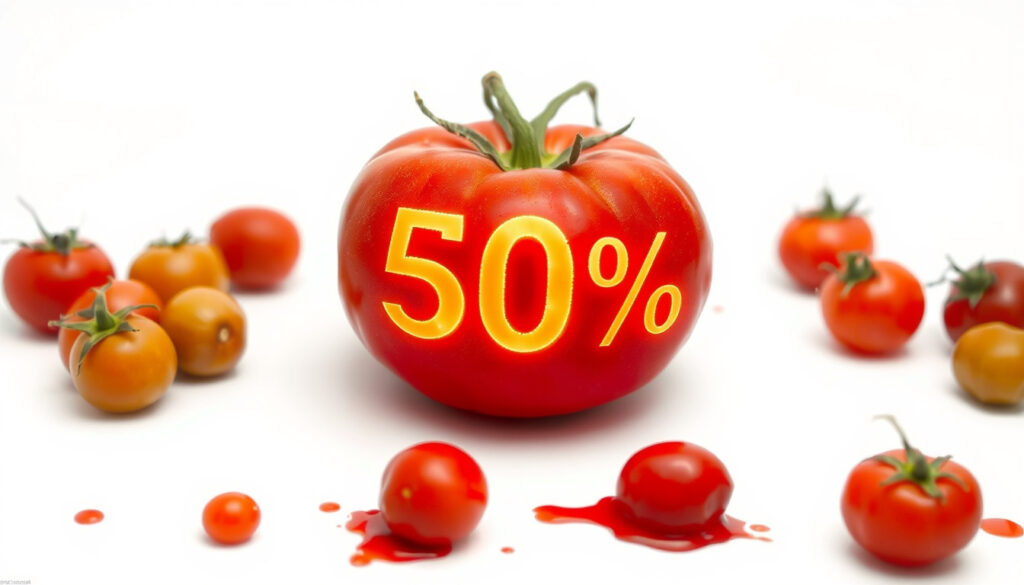
Rotten Tomatoes Scores Explained: What Each Percentage Means
You’ve seen the little red tomato or the green splat next to a movie and wondered what that percentage actually means. Rotten Tomatoes has become the shorthand for whether a film is worth your time, but the scoring system is often misunderstood.
Founded: 1998 ·
Minimum score for Rotten: 0-59% ·
Minimum score for Certified Fresh: 75%+ ·
Number of approved critics: Over 5,000 ·
Audience Score calculation: Verified ratings
Quick snapshot
- The Tomatometer score is the percentage of professional critic reviews that are positive (Rotten Tomatoes About)
- A title is Fresh when at least 60% of reviews are positive (Rotten Tomatoes About)
- A title is Rotten when less than 60% of reviews are positive (Rotten Tomatoes About)
- Exact algorithm for score weighting or how audience verification prevents bots (Rotten Tomatoes FAQ)
- How the Adjusted Tomatometer Score differs from the official score used on pages (Rotten Tomatoes FAQ)
- Tomatometer scores are fluid and can change as review counts change (Rotten Tomatoes FAQ)
- Television shows have three distinct Tomatometers: overall Series, Season, and Episodic (Rotten Tomatoes FAQ)
- Unreleased titles or those with too few reviews show a gray faded tomato until a score can be calculated (Rotten Tomatoes About)
- Audience scores may continue to diverge from critic scores on polarizing films (Collider)
Six key facts, one pattern: Rotten Tomatoes relies on a binary positive/negative vote from critics, not a numeric average, making the percentage a share of positive reviews.
| Label | Value |
|---|---|
| Founded | 1998 (Wikipedia) |
| Founders | Senh Duong, Patrick Lee, Stephen Wang (Wikipedia) |
| Tomatometer range | 0-100% (Rotten Tomatoes FAQ) |
| Certified Fresh minimum | 75% and at least 5 critic reviews (Rotten Tomatoes About) |
| Rotten threshold | Below 60% (Rotten Tomatoes About) |
| Approved critics | Over 5,000 (Rotten Tomatoes FAQ) |
What do 100% Rotten Tomatoes mean?
A 100% Tomatometer score means every single professional critic review counted on the platform is positive. The percentage is calculated by dividing the number of positive reviews by the total number of reviews, then multiplying by 100 (Rotten Tomatoes About).
How is the Tomatometer calculated?
- Critic reviews are classified as Fresh (positive) or Rotten (negative) by the site’s editorial team based on the critic’s star rating or written recommendation (Rotten Tomatoes FAQ).
- Only reviews from approved Tomatometer critics count — currently over 5,000 approved critics (Rotten Tomatoes FAQ).
- If a title has fewer than five reviews, a score is not displayed and a gray tomato icon appears (Rotten Tomatoes About).
What does a 100% score signify?
A perfect score indicates universal critical acclaim, though it does not mean every individual critic gave the film the highest possible star rating — only that they recommended it. Films that achieve 100% are often considered classics or instant hits.
A 100% Tomatometer is the highest possible signal of critical consensus: every reviewed critic agrees the movie is worth watching. For viewers who trust critic aggregation, it’s a green light with no dissent recorded.
The implication: A 100% score is rare and often temporary — as more reviews are added, a single negative review will drop the percentage below 100.
What does “rotten tomato” mean?
The term “rotten tomato” refers to a film or TV show that has received more negative than positive reviews from critics, earning a Tomatometer score below 60%. The visual icon is a splatted red tomato (Rotten Tomatoes About).
Origin of the term
- The name Rotten Tomatoes draws from the historical practice of audiences throwing rotten tomatoes (and other produce) at performers they disliked (Wikipedia).
- The founders chose the name as a playful nod to this tradition of public disapproval.
What makes a movie ‘Rotten’?
- A score below 60% means the majority of critic reviews are negative (Rotten Tomatoes About).
- The same threshold applies to audience scores on browse pages — scores below 60% are labeled Rotten for users (Rotten Tomatoes browse page).
A “Rotten” label signals strong critical disapproval. For moviegoers, it’s a clear warning that the film failed to persuade most professional reviewers — though audience opinion can sometimes differ.
The pattern: The Rotten label is binary — any score below 60% is Rotten, meaning a 20% and a 59% film are both officially Rotten, but the gap in quality is enormous.
Is 20% Rotten Tomatoes good or bad?
A 20% Tomatometer score is firmly in the Rotten category — it means only one in five critic reviews were positive. This is considered a very low score and indicates widespread negative reception (Rotten Tomatoes About).
Interpretation of low scores
- Any score 0-59% is Rotten, so 20% is among the bottom third of possible scores.
- Films with scores this low rarely receive Certified Fresh or even Fresh labels.
- Audience scores often run higher or lower than critic scores on divisive films, sometimes creating splits (Collider).
Audience vs critic scores
- The Audience Score (called Popcornmeter by some) is calculated from user ratings and can differ sharply from the Tomatometer (Wikipedia).
- For example, a critically panned film might have a 20% Tomatometer but a 60% Audience Score — still not high, but better.
The catch: A 20% score is objectively bad by Rotten Tomatoes’ own metric. But if you value audience opinion over critics, check the Audience Score separately — it might tell a different story.
What is the number one rated movie on Rotten Tomatoes?
Rotten Tomatoes does not maintain a permanent “number one” spot because scores change as reviews accumulate. However, several films have achieved and maintained perfect 100% Tomatometer scores, often regarded as the highest-rated. Examples include universally acclaimed classics (Rotten Tomatoes FAQ notes scores are fluid).
Top rated movies of all time
- Movies with a high number of reviews (50+) and a 100% Tomatometer are exceptionally rare.
- Some lists use the Adjusted Tomatometer Score for editorial rankings, which accounts for review count and release year (Rotten Tomatoes FAQ).
- Commonly cited titles in this elite group include Citizen Kane (Wikipedia).
Criteria for top spot
- The highest Tomatometer scores require consensus: every reviewed critic must be positive.
- Films with at least 80 critic reviews that maintain 100% are considered all-time greats.
The trade-off: Because Rotten Tomatoes prioritizes percentage over average rating, a movie with 100% but lower average star rating can outrank a movie with 99% and near-perfect stars.
What movie got 0% Rotten Tomatoes?
A 0% Tomatometer score means no critic review was positive — every counted critic gave the film a negative assessment. Several movies have earned this dubious honor.
Worst rated movies
- Films with 0% include titles like The Garbage Pail Kids Movie (1987) and other cult failures.
- These movies often have very few reviews (sometimes fewer than 10), making a 0% easier to achieve.
- Some 0% films later gain a positive review as critics revisit them, pushing the score above zero (Rotten Tomatoes FAQ).
Notable 0% movies
- Mac and Me (1988) has a 0% Tomatometer from 10 reviews.
- Bolero (1984) also holds a 0% rating.
A 0% score is the ultimate critical failure, yet some of these films have developed cult followings. The Tomatometer measures critic consensus, not entertainment value — a 0% movie can still be a fun watch.
The pattern: Low review counts make 0% scores easier to achieve but also less statistically significant. A 0% with 100 reviews is far more damning than one with 5.
Upsides
- Clear, simple metric: instantly understand critic consensus.
- Separate critic and audience scores allow nuanced comparison.
- Certified Fresh label helps identify guaranteed quality.
- Large pool of approved critics adds credibility.
Downsides
- Score can be misleading: a 60% Fresh score is barely positive.
- Audience scores can be gamed or skewed by low verification.
- No distinction between a strong positive and a mild one (binary system).
- Divergence between critic and audience scores causes confusion.
Confirmed facts vs what’s unclear
Confirmed facts
- Rotten Tomatoes was founded in 1998 (Wikipedia).
- Tomatometer score is the percentage of positive reviews from approved critics (Rotten Tomatoes About).
- Certified Fresh requires at least 75% Tomatometer score and a minimum of 5 critic reviews (Rotten Tomatoes About).
- Audience scores of 60% and above are labeled “Hot” on browse pages (Rotten Tomatoes browse page).
- Scores can change over time as new reviews are added (Rotten Tomatoes FAQ).
What’s unclear
- Exact algorithm for how reviews are classified positive/negative beyond the 60% threshold.
- How audience score verification prevents manipulation by bots or repeat voters.
- The precise methodology behind the Adjusted Tomatometer Score used in editorial lists.
- How the Adjusted Tomatometer Score differs from the official score used on pages.
- How audience score is calculated for browse pages (beyond the 60% threshold).
The key takeaway: Confirmed facts are backed by official sources, while unclear points highlight areas where Rotten Tomatoes has not disclosed its methodology.
Expert perspectives
“The Tomatometer is the most trusted measurement of quality for Movies & TV.” Rotten Tomatoes (official site)
“Rotten Tomatoes launched in August 1998 by three undergraduate students.” Wikipedia
For viewers in the US, the Tomatometer is a starting point, not an absolute verdict. The choice is clear: use it as a quick consensus tool, but always check the Audience Score and read a sample review before skipping a film based on a low percentage — or you might miss a hidden gem that critics didn’t get.
reddit.com, reddit.com, rottentomatoes.com, facebook.com, imdb.com, rottentomatoes.com, reddit.com, rottentomatoes.com, reddit.com
Frequently asked questions
How does Rotten Tomatoes work?
Rotten Tomatoes aggregates reviews from approved critics and calculates the percentage of positive reviews. The result is the Tomatometer score. The site also collects audience ratings for a separate Audience Score (Rotten Tomatoes About).
What is a good Rotten Tomatoes score?
Above 60% is Fresh, considered good. Above 75% can earn Certified Fresh. Scores below 60% are Rotten and generally considered poor.
What does Fresh mean on Rotten Tomatoes?
Fresh means the Tomatometer score is 60% or higher, indicating a majority of positive critic reviews (Rotten Tomatoes About).
What does Certified Fresh mean?
Certified Fresh is a special distinction for movies and TV shows that have a 75% or higher Tomatometer score and at least 5 reviews from approved critics (Rotten Tomatoes About).
Are Rotten Tomatoes scores reliable?
Reliability depends on the number of reviews and the critic pool. With over 5,000 approved critics, the Tomatometer is a strong indicator of critical consensus, but individual tastes vary.
Can I trust the Tomatometer?
The Tomatometer is a useful aggregate but not infallible. It treats all positive reviews equally, so a 100% score doesn’t mean perfect star ratings across the board.
How does the Audience Score differ from the Tomatometer?
The Audience Score comes from user ratings, not approved critics. It can diverge significantly, especially for polarizing films (Collider).
More related posts
 Silo Season 3 Release Date: July 3, 2026 | Apple TV+
 Guy Fieri: Accident, Wheelchair, Weight Loss & Recovery
 RBC Banque en Direct: Sign In, Login Guide & Mobile App
 Where to Watch Heated Rivalry: Streaming Guide (2025)
 Nelly Korda: Age, Net Worth, Husband, Height, Diabetes & Career
 Simon Helberg: Health Condition, Cast Relations, Religion & More
 Ferris Bueller’s lasting popularity and top quotes explained