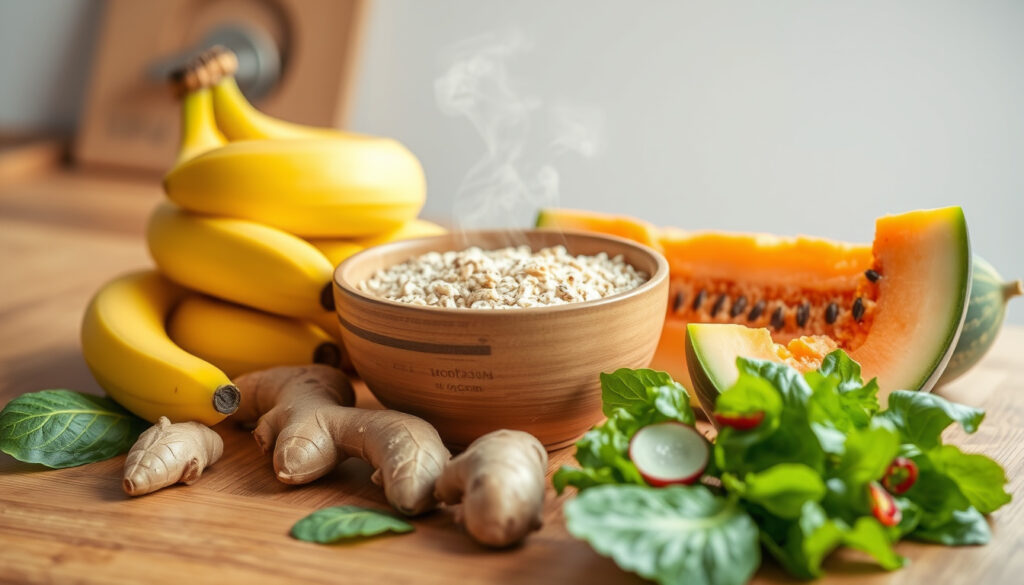
What Foods Neutralize Stomach Acid Immediately – 8 Proven Options for Relief
Many people experience the uncomfortable burning sensation of stomach acid rising into the esophagus. While medications exist, certain foods may help neutralize acid or provide relief from heartburn and GERD symptoms. Research suggests that foods rich in fiber, alkalinity, or anti-inflammatory properties can coat the esophagus, absorb acid, or reduce irritation. Understanding which foods offer these benefits—and how quickly they work—can help manage symptoms effectively.
The science behind food-based relief centers on pH levels. Stomach acid typically registers between 1.5 and 3.5 on the pH scale, making it highly acidic. Alkaline foods, with pH levels above 7, may help counteract this acidity. However, medical experts emphasize that no food provides instant neutralization comparable to over-the-counter antacids. Relief from dietary choices tends to be gradual and varies significantly between individuals.
This guide examines the evidence for foods commonly recommended for acid neutralization, separating proven benefits from common myths and providing practical guidance for those seeking natural approaches to managing heartburn and reflux.
What Foods Neutralize Stomach Acid Immediately?
While no food matches the speed of commercial antacids, several foods show evidence of providing relatively quick symptomatic relief. These options work through different mechanisms—some coat the esophagus, others absorb excess acid, and certain foods offer anti-inflammatory benefits that ease irritation over time.
Key Insights on Stomach Acid Neutralization
- No instant cure exists: Evidence from multiple medical sources confirms that no food neutralizes stomach acid as quickly as antacids like Tums or Maalox.
- Symptom relief varies: A 2023 review published in Medical News Today found that dietary effects depend heavily on individual tolerance and the severity of underlying conditions.
- Fiber plays a central role: High-fiber foods like oatmeal (10.4g per 100g serving) absorb excess acid and promote satiety, which may reduce reflux frequency over time.
- Probiotic benefits: Yogurt and other fermented foods introduce beneficial bacteria that may regulate gut health and reduce acidity, according to research from Mass General Brigham.
- Hydration helps dilute: Watery foods like melons can temporarily dilute stomach contents, though this does not eliminate acid production.
- Consistency matters: Dietary changes work best when combined with lifestyle modifications such as eating smaller meals and avoiding eating before bed.
Quick Facts: Foods and Their Acid-Neutralizing Properties
| Food | pH Range | Primary Mechanism | Evidence Level |
|---|---|---|---|
| Bananas | 5.5–6.5 | Coats esophagus, fiber absorbs acid | 2023 systematic review |
| Oatmeal | 6.0–7.0 | High fiber absorbs acid, promotes fullness | Multiple clinical sources |
| Yogurt | 4.0–5.0 | Probiotics cool and soothe | 2023 review |
| Milk (low-fat) | 6.5–7.0 | Temporary neutralization if tolerated | Clinical guidelines |
| Ginger | 5.6–6.0 | Anti-inflammatory, eases GI irritation | 4-week controlled study |
| Melons | 6.0–7.0 | Water dilutes acid, alkaline properties | Clinical guides |
| Aloe Vera | 5.5–6.5 | Anti-inflammatory syrup | 2022 review (with medication) |
| Leafy Greens | 6.0–7.0 | Alkalizing, high fiber | Medical consensus |
Do Common Foods Like Bananas and Oatmeal Provide Quick Relief?
Bananas and oatmeal rank among the most frequently recommended foods for heartburn and acid reflux. Both are widely available, easy to prepare, and come with scientific backing for their benefits. Understanding how they work helps set realistic expectations for symptom relief.
Bananas for Acid Reflux
A ripe banana contains approximately 2 grams of fiber and registers around 5.5 to 6.5 on the pH scale, making it low-acid and mildly alkaline. The fruit’s natural pectin content may help thicken the stomach’s protective mucous layer, while fiber aids digestion overall. A 2023 review of dietary interventions for GERD noted that bananas can reduce the frequency of acid reflux episodes by coating the esophagus lining.
However, not all bananas offer the same benefits. Unripe or green bananas contain higher resistant starch content, which some individuals find harder to digest. The Johns Hopkins Medicine GERD dietary guidelines recommend choosing fully ripe bananas for optimal tolerance. Some people with sensitive digestive systems may still react negatively to bananas, depending on individual triggers.
Oatmeal for Stomach Acid
Rolled oats provide approximately 10.4 grams of fiber per 100-gram serving, making them one of the highest-fiber breakfast options available. This fiber content serves two purposes for reflux management: it absorbs excess stomach acid, and it promotes a feeling of fullness that discourages overeating—a known contributor to GERD symptoms.
Plain oatmeal prepared with water or low-fat milk offers the most benefit. Adding high-fat toppings like butter, cream, or sugary syrups can counteract the neutral effects. The Gastroenterology Associates of South Florida list oatmeal as a top recommendation for quick relief due to its combination of alkalinity and acid-absorbing fiber.
While bananas and oatmeal provide symptom relief for many people, they work gradually rather than instantly. If you experience severe or persistent heartburn, consult a healthcare provider to rule out underlying conditions like GERD or ulcers.
Does Milk or Yogurt Neutralize Stomach Acid Right Away?
Dairy products occupy a complex position in acid reflux management. Some people report immediate relief from drinking milk, while others find that dairy worsens their symptoms. Understanding the science behind these differing experiences helps clarify when dairy might help.
Milk and Stomach Acid
Cow’s milk typically ranges from pH 6.5 to 7.0, making it slightly alkaline. This alkalinity can provide temporary neutralization of stomach acid upon contact. According to Mass General Brigham’s dietary guidance for GERD, milk may neutralize acid on the spot if the individual tolerates dairy well.
However, not all milk behaves the same way. Whole milk contains significant fat content, which stimulates stomach acid production and may delay gastric emptying. This paradox means that while milk might provide initial cooling relief, the fat content could ultimately increase reflux symptoms. Skim or low-fat milk avoids this issue but may lack the soothing texture that some people find helpful.
Yogurt for Heartburn
Yogurt offers distinct advantages over plain milk for reflux management. The 2023 review on stomach acid neutralization highlighted yogurt’s probiotic properties, which regulate gut bacteria and reduce overall acidity. The cooling temperature and smooth texture provide immediate soothing for an irritated esophagus.
Low-fat, non-sour varieties work best for reflux. Greek yogurt offers higher protein content and a thicker consistency that some find more satisfying. Avoiding yogurts with added citrus, tomato, or high sugar content preserves the benefits without introducing common reflux triggers.
If you want to try dairy for reflux relief, opt for low-fat or fat-free milk and plain yogurt without added fruit. These choices minimize fat content while preserving the potential neutralizing benefits.
How Do Ginger, Aloe Vera, and Melons Help with Acid Reflux?
Beyond the staple foods of bananas, oatmeal, and dairy, several less conventional options have shown promise in managing stomach acid and reflux symptoms. Ginger, aloe vera, and melons each bring unique properties to acid management, though the evidence supporting each varies in strength.
Ginger’s Anti-Inflammatory Effects
Ginger has been used for centuries to address digestive complaints, and modern research provides partial validation. The root registers between 5.6 and 6.0 on the pH scale, making it mildly alkaline. More importantly, ginger contains bioactive compounds like gingerols that exhibit anti-inflammatory properties in the gastrointestinal tract.
A 2023 study on functional dyspepsia found that participants who consumed ginger over four weeks reported reduced heartburn and stomach burning compared to control groups. This suggests that ginger’s benefits accumulate over time rather than providing instant relief. Most people consume ginger as tea, in stir-fries, or as crystallized snacks.
Aloe Vera Syrup
Aloe vera juice processed specifically for internal use—often called aloe vera syrup—has demonstrated anti-inflammatory benefits for GERD symptoms. A 2022 review examining complementary approaches to reflux found that aloe vera syrup reduced symptom severity when used alongside conventional medications.
It is crucial to distinguish between topical aloe vera gel and products formulated for consumption. The inner leaf extract used for digestive purposes undergoes processing to remove potentially irritant compounds found in whole aloe. Researchers note that optimal dosing remains unclear and requires more study.
Melons and Water-Rich Fruits
Melons such as watermelon, cantaloupe, and honeydew score between 6.0 and 7.0 on the pH scale, placing them in the mildly alkaline to neutral range. Their high water content—watermelon exceeds 90% water by weight—allows them to dilute stomach acid temporarily upon consumption.
According to Johns Hopkins Medicine, melons rank among the recommended fruits for acid reflux because their alkalinity counteracts acidic stomach contents. The refreshing texture also provides a cooling sensation that soothes esophageal irritation. Pairing melon with a small amount of protein or healthy fat can slow digestion and extend the dilution effect.
While melons help many people, some individuals with GERD find that melon triggers symptoms. This may relate to individual food sensitivities unrelated to pH levels. Pay attention to your body’s responses and adjust accordingly.
What Drinks and Foods Should You Avoid for Stomach Acid?
Equally important as knowing what to eat is understanding which foods and beverages can aggravate stomach acid and worsen reflux symptoms. Certain categories consistently appear in medical guidance as triggers that individuals with GERD or frequent heartburn should limit or avoid.
Foods to Limit
- Citrus fruits: Oranges, lemons, grapefruits, and their juices have low pH levels (2.0–4.0) that directly irritate the esophagus lining.
- Tomatoes and tomato products: Pasta sauce, ketchup, and fresh tomatoes contain high acid content that can trigger reflux.
- Chocolate: Contains methylxanthines, which relax the lower esophageal sphincter and allow acid to escape.
- Fried and fatty foods: High-fat meals slow digestion and increase stomach acid production.
- Onions and garlic: These can relax the esophageal sphincter and cause symptoms in sensitive individuals, according to Gastroenterology Associates.
- Spicy foods: While not universally triggering, capsaicin in chili peppers can irritate already-inflamed esophageal tissue.
Beverages to Consider Limiting
- Coffee and caffeinated drinks: Caffeine relaxes the esophageal sphincter and increases acid production.
- Alcohol: Beer, wine, and spirits directly irritate the esophageal lining and may worsen symptoms.
- Sodas and carbonated beverages: The bubbles expand in the stomach, increasing pressure that forces acid upward.
- Citrus juices: Orange juice and similar beverages combine caffeine and acid for double the potential irritation.
The National Institute of Diabetes and Digestive and Kidney Diseases (NIDDK) recommends keeping a food diary to identify personal triggers, since individual responses vary considerably. Eliminating known triggers while incorporating alkaline foods creates a balanced approach to managing symptoms through diet.
Timeline of Relief from Common Foods
Understanding how quickly different foods may provide relief helps set realistic expectations. The following timeline represents general patterns based on available research, though individual experiences will vary.
- Within 5 minutes: Watery foods like melons or low-fat milk provide immediate dilution and cooling effects. The sensation of relief comes quickly, though it does not address underlying acid production.
- 5–15 minutes: Bananas and yogurt begin coating the esophageal lining, providing a protective barrier against further acid exposure. The cooling sensation from yogurt adds immediate comfort.
- 15–30 minutes: Oatmeal and other fiber-rich foods absorb excess acid in the stomach. Fiber also promotes feelings of fullness that may reduce the urge to overeat—a common reflux trigger.
- 30 minutes to several hours: Ginger’s anti-inflammatory compounds begin taking effect in the GI tract, reducing overall irritation. Benefits continue to build with regular consumption over days or weeks.
- Long-term (weeks of consistent use): A diet consistently high in alkaline, fiber-rich foods may reduce overall reflux frequency and severity by improving digestion and supporting weight management.
No food replaces medication for severe acid reflux or GERD. The timeline above describes symptomatic relief, not acid elimination. Persistent symptoms lasting more than two weeks warrant medical evaluation.
What Works Immediately vs. Common Myths
Sorting fact from fiction helps people make informed decisions about managing stomach acid through diet. Several widespread beliefs about acid neutralization do not hold up under scientific scrutiny.
- High-fiber foods absorb excess acid over time
- Alkaline foods (pH >7) can counteract acidic stomach contents
- Watery foods dilute acid temporarily
- Anti-inflammatory foods reduce esophageal irritation
- Probiotic foods support gut health that influences acid levels
- No food neutralizes acid as fast as commercial antacids
- Water does not neutralize stomach acid; it merely dilutes it
- Apple cider vinegar worsens rather than improves reflux for most people
- High-fat dairy may trigger rather than relieve symptoms
- Individual triggers vary—no single solution works for everyone
The Mayo Clinic’s overview of heartburn and GERD emphasizes that while dietary modifications help manage symptoms, they rarely eliminate the need for other interventions in cases of chronic reflux. Patients with persistent symptoms should discuss comprehensive treatment options with their healthcare providers.
How Foods Interact with Stomach Acid
To understand why certain foods help with acid reflux, it helps to visualize how digestion works. The stomach maintains a highly acidic environment necessary for breaking down food, with pH levels typically between 1.5 and 3.5. When the lower esophageal sphincter— a muscular ring between the esophagus and stomach—relaxes or weakens, acidic contents can flow backward into the esophagus, causing the burning sensation known as heartburn.
Foods may help through several mechanisms. First, they can temporarily neutralize or dilute acid upon contact. Second, fiber-rich foods absorb acid molecules as they pass through the stomach. Third, some foods coat the esophageal lining, creating a protective barrier. Fourth, anti-inflammatory ingredients reduce sensitivity to acid exposure. Finally, foods that promote healthy digestion prevent the overproduction of acid that leads to reflux.
The Cleveland Clinic’s acid reflux guide notes that GERD—a chronic form of acid reflux affecting millions—requires more comprehensive management than diet alone. However, dietary choices remain foundational to any treatment plan because they directly influence how much acid the stomach produces.
Expert Sources and Studies on Stomach Acid and Diet
The evidence supporting food-based approaches to acid reflux comes from several types of research, including systematic reviews, controlled studies, and clinical guidelines from major medical institutions.
“A diet focused on low-fat, high-fiber, and alkaline foods helps manage GERD symptoms by reducing stomach acid production and minimizing esophageal irritation. Combined with lifestyle changes like weight management and meal timing, dietary modifications form the foundation of symptom control.”
“No single food provides immediate neutralization of stomach acid comparable to over-the-counter antacids. Foods help gradually through mechanisms like acid absorption, esophageal coating, and anti-inflammatory effects. Relief varies by individual and condition severity.”
Other authoritative sources contributing to this understanding include Johns Hopkins Medicine, which provides specific food recommendations based on clinical experience, and Healthline, which translates research findings into practical dietary advice.
Next Steps for Acid Reflux Management
Incorporating alkaline and fiber-rich foods into your diet represents one component of comprehensive acid reflux management. For best results, combine dietary changes with other evidence-based approaches.
- Identify personal triggers: Keep a food and symptom diary for two to three weeks to pinpoint which foods worsen your symptoms.
- Adjust meal timing: Finish eating at least three hours before lying down to prevent nighttime reflux.
- Control portions: Smaller, more frequent meals reduce stomach distension and acid production.
- Maintain a healthy weight: Excess abdominal weight increases pressure on the stomach and promotes reflux.
- Elevate your head while sleeping: Raising the head of your bed by six to eight inches uses gravity to keep acid in the stomach.
- Consult a healthcare provider: Persistent symptoms lasting more than two weeks, difficulty swallowing, or unexplained weight loss warrant professional evaluation.
For additional health information, see our guide on what is normal blood pressure or learn about first aid training for handling acute digestive emergencies.
Frequently Asked Questions
Can water neutralize stomach acid?
Water dilutes stomach acid temporarily but does not neutralize it. Drinking water may provide brief relief by flushing acid away from the esophageal lining, but it does not reduce acid production. Excessive water during meals may also increase stomach volume, potentially worsening reflux.
Is apple cider vinegar good for reflux?
Despite popular claims, apple cider vinegar typically worsens reflux symptoms. Its acidity (pH 2.5–3.0) can directly irritate the esophagus and stimulate additional acid production. Some people report temporary improvement, but scientific evidence does not support vinegar as an effective treatment.
How much oatmeal should I eat for heartburn relief?
A standard serving of half a cup to one cup of cooked oatmeal provides approximately 3–5 grams of fiber. Eating this portion at breakfast or during symptomatic episodes offers the most benefit. Prepare oatmeal with water or low-fat milk and avoid high-fat or high-sugar toppings.
Does ginger tea work for acid reflux?
Ginger tea may help reduce inflammation and ease nausea associated with reflux. Consuming one to two cups daily appears safe for most people. However, ginger’s effects build gradually over weeks rather than providing instant relief. Some individuals find ginger too strong and experience worsened symptoms.
Are almonds good for acid reflux?
Almonds contain fiber and have a mildly alkaline pH, which may help neutralize stomach acid. However, they are also relatively high in fat, which can slow digestion and potentially trigger reflux in sensitive individuals. Eating a small handful (about 5–10 almonds) as a snack may provide benefits without overdoing fat intake.
What is the fastest way to relieve heartburn naturally?
Standing upright, drinking plain water, and consuming a small portion of low-fat yogurt or ripe banana may provide relatively quick relief. Chewing gum (non-mint) stimulates saliva production, which can help neutralize acid. For fastest results, over-the-counter antacids remain the most reliable option.
Can I combine foods for better acid neutralization?
Pairing alkaline foods with each other—such as banana with oatmeal—may enhance benefits through complementary mechanisms. However, combining foods high in fat with acid-neutralizing options can counteract the benefits. Focus on simple combinations of low-fat, high-fiber foods for optimal results.
When should I see a doctor for heartburn?
Seek medical evaluation if heartburn occurs more than twice weekly, interferes with sleep, causes difficulty swallowing, or is accompanied by unexplained weight loss, vomiting, or persistent pain. These symptoms may indicate GERD or another condition requiring prescription medication or additional testing.
More related posts
 KISS Members: Alive, Dead, Original Lineup, and Makeup Explained
 Xavier Dolan: Why He Stopped Making Movies and His Return
 Paul Newman: His Life, Death, Family, and Philanthropic Legacy
 Best Vegan Pizza Near Me: Supermarket & Restaurant Guide
 Air Dry Clay Ideas: 25 Projects, Tips & Mistakes
 24 Inch to CM – Exact 60.96 cm Conversion Guide
 Dr. Doofenshmirtz: Voice, Backstory & Neurodivergence